The Ten Heavenly Stems

ezfate's guide to the ten heavenly stems (天干, tiān gān) sets out Jia to Gui in one table with each stem's element, yin or yang, direction, season, colour and image, plus a tool that finds a year's stem from its last digit and a checker for stem combinations and clashes. The stems are the five elements, each split into yang and yin; paired with the twelve branches they make the 60-pair cycle. For each stem as a Day Master personality, see the Day Master pages. Free, no sign-up.

Updated November 8, 2026

The ten heavenly stems: elements, directions and seasons

The ten stems in order with pinyin, element and polarity, traditional direction, season and colour, and the classical image. The last column shows which years carry the stem.

StemPinyinElementDirectionSeasonColourImageYears ending in
甲JiǎYang WoodEastSpringGreen, tealThe tall tree4
乙YǐYin WoodEastSpringGreen, tealFlowers and vines5
丙BǐngYang FireSouthSummerRed, purpleThe sun6
丁DīngYin FireSouthSummerRed, purpleCandlelight7
戊WùYang EarthCenterLate summer (season changes)Yellow, brownThe mountain8
己JǐYin EarthCenterLate summer (season changes)Yellow, brownFertile soil9
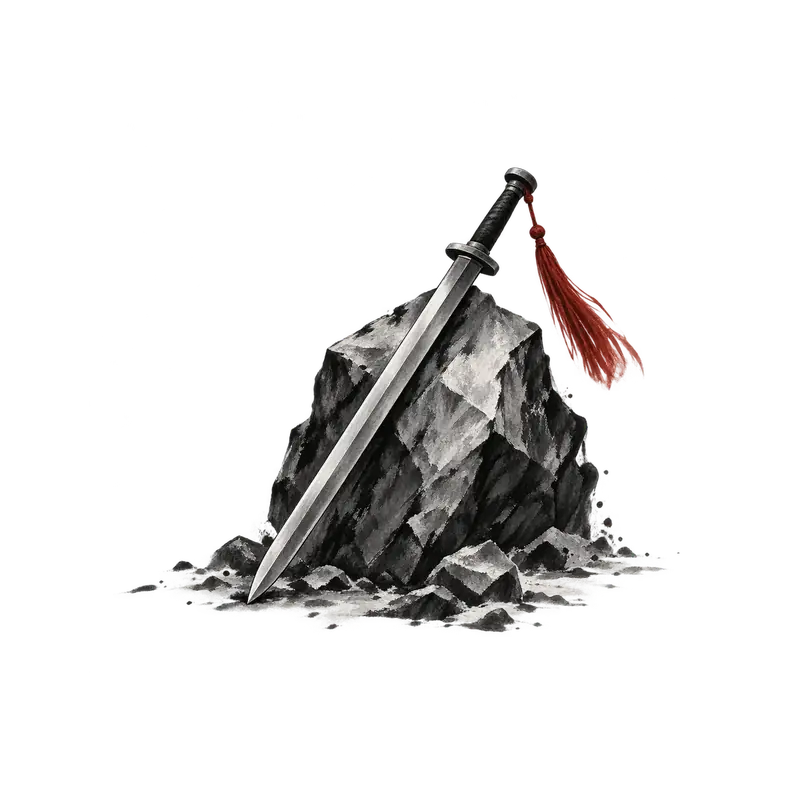
庚GēngYang MetalWestAutumnWhite, goldRaw ore and the blade0
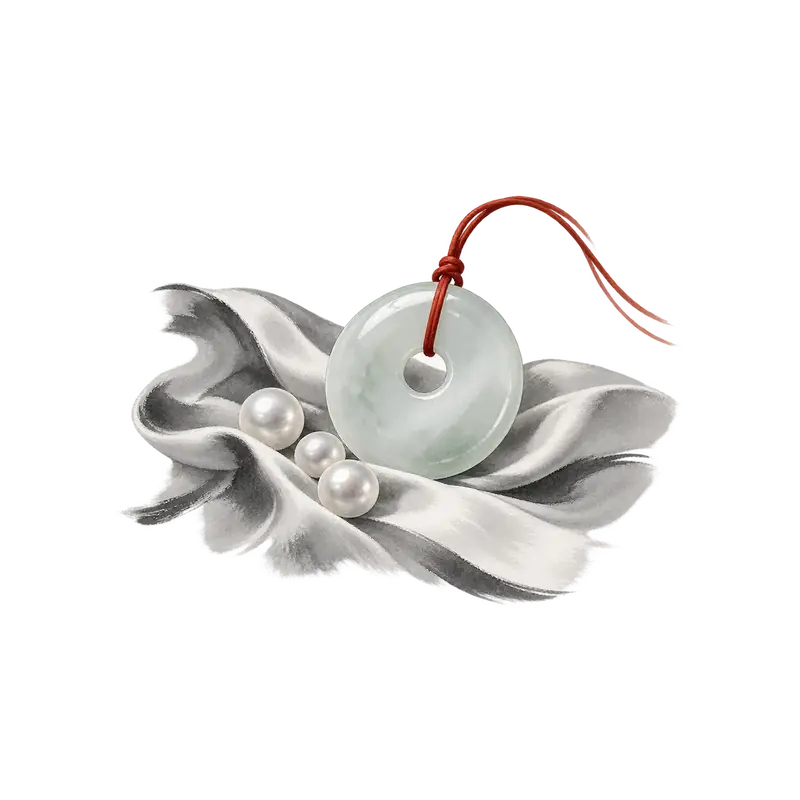
辛XīnYin MetalWestAutumnWhite, goldJewelry1
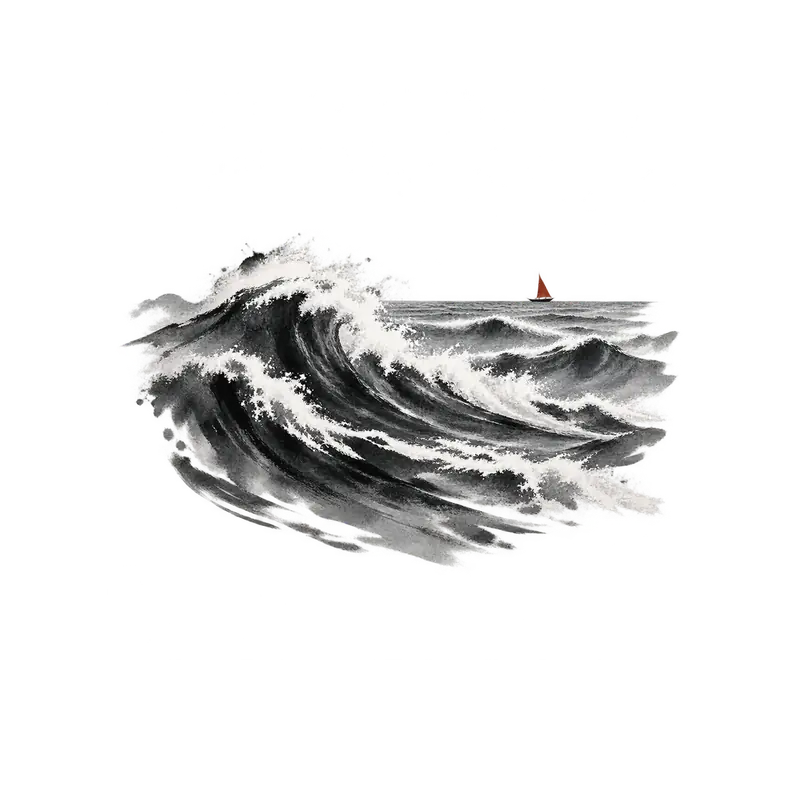
壬RénYang WaterNorthWinterBlack, navyThe ocean2
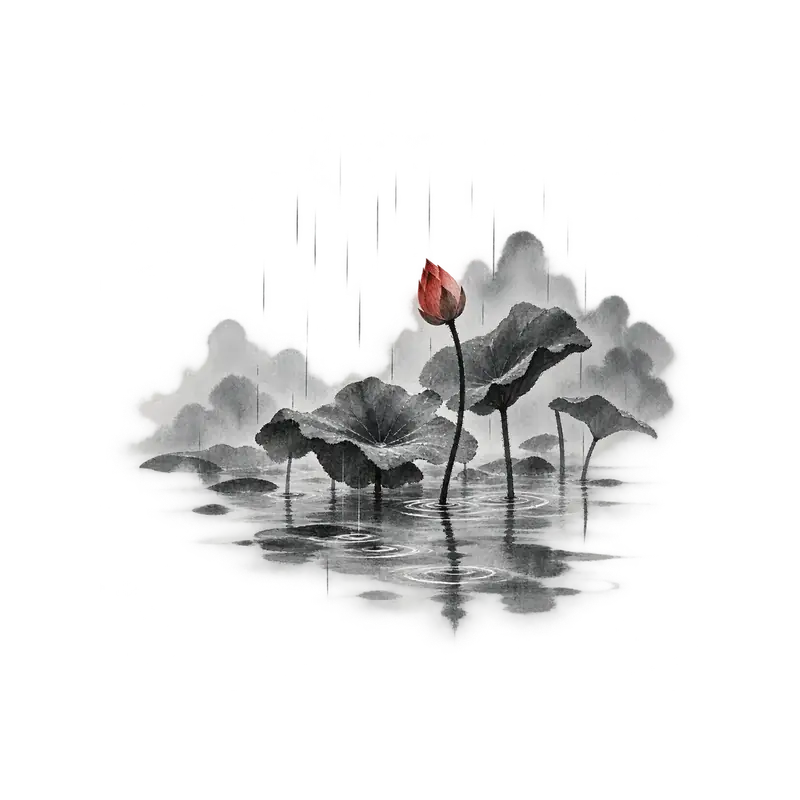
癸GuǐYin WaterNorthWinterBlack, navyRain and mist3

What is a heavenly stem?

Stems and branches together are the ganzhi system. There are ten stems and twelve branches; the stems carry the elements and yin or yang, while the branches tie in seasons, hours, animals and hidden stems. In a Bazi chart the top row holds the four stems and the bottom row the four branches; the stem of the day pillar is the Day Master.

Pronouncing the stems

Jiǎ, Yǐ, Bǐng, Dīng, Wù, Jǐ, Gēng, Xīn, Rén, Guǐ. Watch the look-alikes: 戊 Wù (a stem) and 戌 Xū (a branch), 己 Jǐ (a stem) and 巳 Sì (a branch).

Why “stem”?

The old image is a tree: the stems (干, trunk) above and the branches (支, boughs) below.

The order of the stems, and a year's stem from its last digit

The stems follow the five elements in generating order, yang before yin: Jia and Yi (Wood), Bing and Ding (Fire), Wu and Ji (Earth), Geng and Xin (Metal), Ren and Gui (Water). After Gui the list returns to Jia.

Because the stems repeat every ten years, a year's last digit tells you its stem: 4 Jia, 5 Yi, 6 Bing, 7 Ding, 8 Wu, 9 Ji, 0 Geng, 1 Xin, 2 Ren, 3 Gui. Type any year below to try it.

丙午2026 is 丙午Bǐng Wǔ

The last digit of the year gives the stem

  1. …4甲
  2. …5乙
  3. …6丙
  4. …7丁
  5. …8戊
  6. …9己
  7. …0庚
  8. …1辛
  9. …2壬
  10. …3癸

Why the last digit works

The year 4 CE was a Jiazi year, so years ending in 4 are always Jia years, and the rest follow in order.

Stems counted days first

The stems began as names for days. Ten days, Jia to Gui, made a xun (旬), the old Chinese ‘week’ that survives in the words for the first, middle and last ten days of a month.

The meaning of each heavenly stem

The Han Shu explains the stems through a plant’s year: breaking out of the seed, growing, flourishing, ripening and storing life again. Each card gives the classical line, the stem’s image and its recent years; follow the link for the stem as a Day Master.

甲 · Yang Wood甲

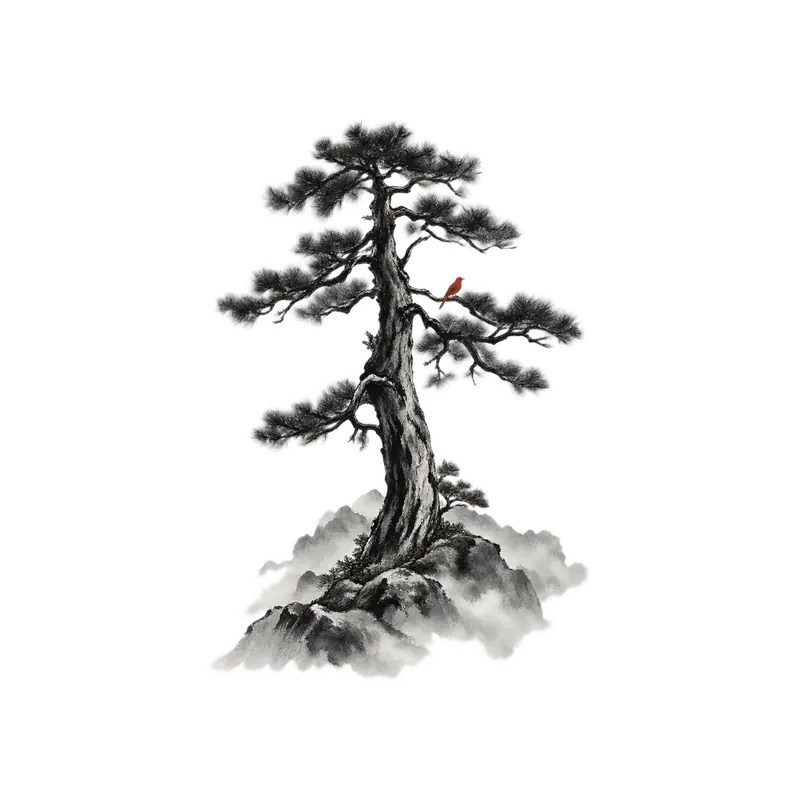
Jia (甲), Yang Wood: the tall tree

Jiǎ · Yang Wood · The tall tree

The first stem. 'Out of the shell at Jia': the sprout breaking through its husk. Its image is a tall tree, its direction east and its season spring. Because the cycle starts at Jiazi, Jia also stands for ‘first’.

出甲於甲Han Shu, treatise on calendars

Last 2024 (甲辰), next 2034 (甲寅)甲 as a Day Master
乙 · Yin Wood乙

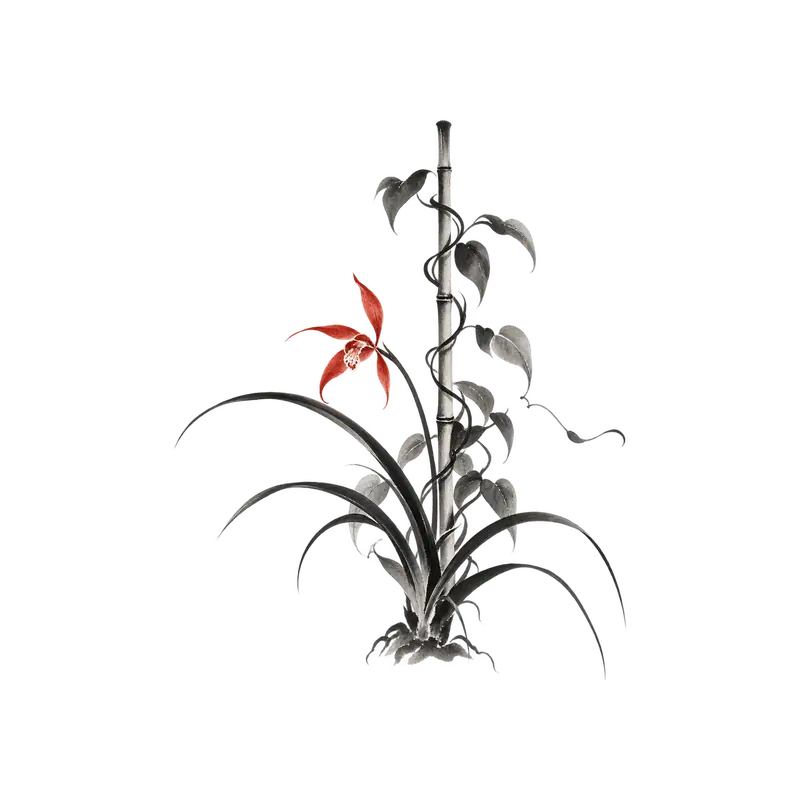
Yi (乙), Yin Wood: grass and vines

Yǐ · Yin Wood · Flowers and vines

'Bending forth at Yi': the shoot curls as it pushes up. Its image is flowers, grass and climbing vines, flexible and persistent; the character itself is a bent stalk.

奮軋於乙Han Shu, treatise on calendars

Last 2025 (乙巳), next 2035 (乙卯)乙 as a Day Master
丙 · Yang Fire丙

Bing (丙), Yang Fire: the sun

Bǐng · Yang Fire · The sun

'Bright and manifest at Bing': everything comes into the light. Its image is the sun, its direction south and its season summer. Bing radiates outward.

明炳於丙Han Shu, treatise on calendars

Last 2026 (丙午), next 2036 (丙辰)丙 as a Day Master
丁 · Yin Fire丁

Ding (丁), Yin Fire: the lamp flame

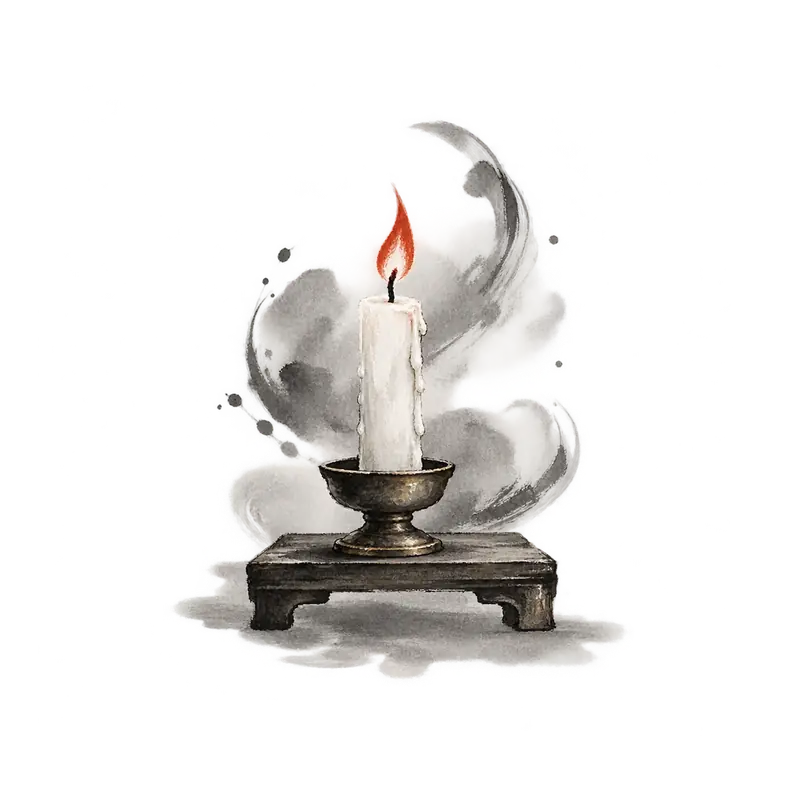
Dīng · Yin Fire · Candlelight

'Fully grown at Ding.' Its image is a candle or lamp, the steady flame that lights a room. In old rankings Ding was fourth place, after Jia, Yi and Bing.

大盛於丁Han Shu, treatise on calendars

Last 2017 (丁酉), next 2027 (丁未)丁 as a Day Master
戊 · Yang Earth戊

Wu (戊), Yang Earth: the mountain

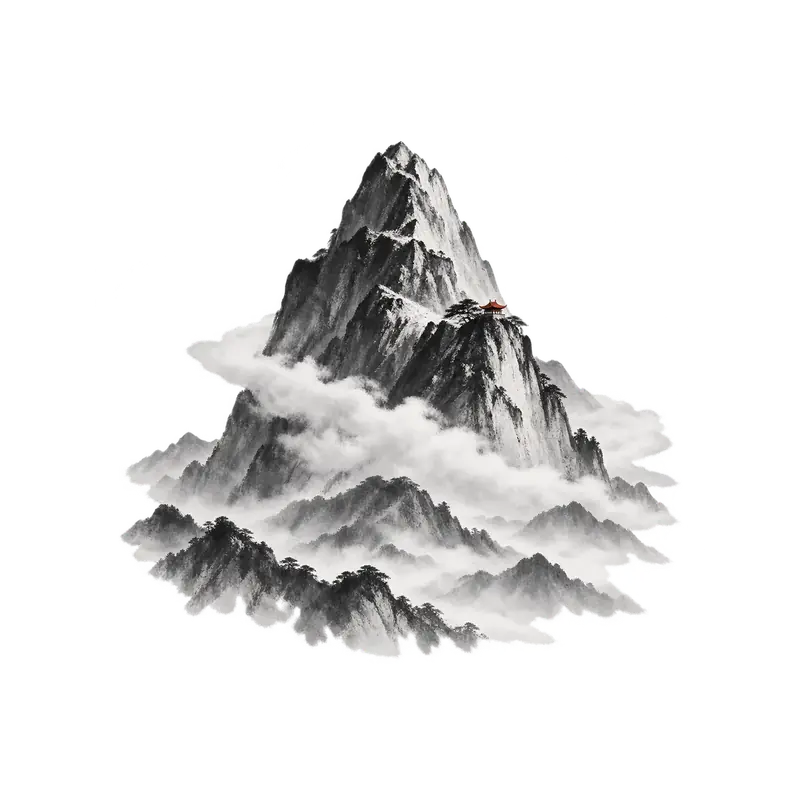
Wù · Yang Earth · The mountain

'Lush at Wu': growth at its fullest. Its image is a mountain, a dyke or a city wall; it sits at the centre and belongs to the turns between seasons. Do not confuse 戊 with the branch 戌.

豐楙於戊Han Shu, treatise on calendars

Last 2018 (戊戌), next 2028 (戊申)戊 as a Day Master
己 · Yin Earth己

Ji (己), Yin Earth: the field

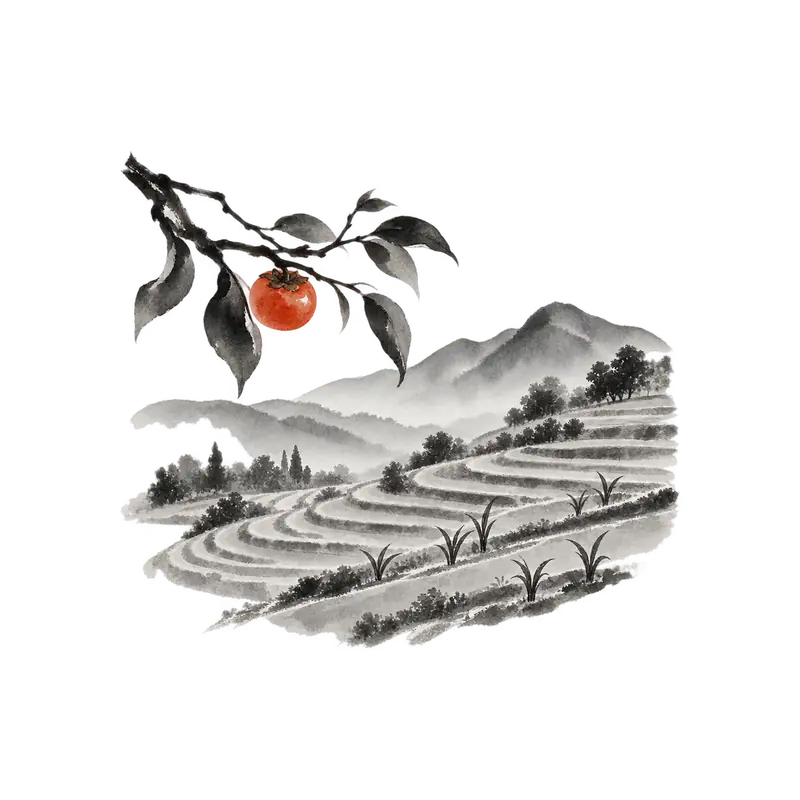
Jǐ · Yin Earth · Fertile soil

'Ordered at Ji': living things take shape. Its image is farmland, soft soil that holds and feeds everything planted in it.

理紀於己Han Shu, treatise on calendars

Last 2019 (己亥), next 2029 (己酉)己 as a Day Master
庚 · Yang Metal庚

Geng (庚), Yang Metal: the blade

Gēng · Yang Metal · Raw ore and the blade

'Gathering and changing at Geng': the autumn turn. Its image is ore, steel and swords, its direction west and its season autumn. The Boxer crisis of 1900 fell in a Gengzi year.

斂更於庚Han Shu, treatise on calendars

Last 2020 (庚子), next 2030 (庚戌)庚 as a Day Master
辛 · Yin Metal辛

Xin (辛), Yin Metal: the jewel

Xīn · Yin Metal · Jewelry

'All made new at Xin.' Its image is jewellery and fine worked metal. The 1911 revolution that ended imperial China is named after its Xinhai year.

悉新於辛Han Shu, treatise on calendars

Last 2021 (辛丑), next 2031 (辛亥)辛 as a Day Master
壬 · Yang Water壬

Ren (壬), Yang Water: rivers and the sea

Rén · Yang Water · The ocean

'Carrying life within at Ren' (壬 echoes 妊, pregnancy). Its image is great rivers and the ocean, its direction north and its season winter.

懷任於壬Han Shu, treatise on calendars

Last 2022 (壬寅), next 2032 (壬子)壬 as a Day Master
癸 · Yin Water癸

Gui (癸), Yin Water: rain and dew

Guǐ · Yin Water · Rain and mist

The last stem. 'Measured at Gui': the next life is weighed and readied. Its image is rain, dew and mist that soak the earth. After Gui the list returns to Jia.

陳揆於癸Han Shu, treatise on calendars

Last 2023 (癸卯), next 2033 (癸丑)癸 as a Day Master

The stems and the five elements

The ten stems are the five elements, each in a yang and a yin form. Yang stems (Jia, Bing, Wu, Geng, Ren) are outgoing and firm; yin stems (Yi, Ding, Ji, Xin, Gui) are inward and soft.

Stems relate through the elements’ generating cycle (Wood feeds Fire, Fire makes Earth, Earth bears Metal, Metal carries Water, Water feeds Wood) and controlling cycle (Wood parts Earth, Earth dams Water, Water quenches Fire, Fire melts Metal, Metal cuts Wood). The five elements cycles page draws both.

WoodFireEarthMetalWater
Yang甲Yang Wood丙Yang Fire戊Yang Earth庚Yang Metal壬Yang Water
Yin乙Yin Wood丁Yin Fire己Yin Earth辛Yin Metal癸Yin Water

Stem combinations and clashes

Five pairs of stems attract each other strongly, the stem combinations: Jia–Ji (Earth), Yi–Geng (Metal), Bing–Xin (Water), Ding–Ren (Wood) and Wu–Gui (Fire). In each a yang stem meets the yin stem five places on, and under the right conditions the pair transforms into the element in brackets.

Four pairs clash: Jia–Geng, Yi–Xin, Bing–Ren and Ding–Gui, stems of the same polarity that face and control each other. Wu and Ji, the central Earth, have no clash. Pick any two stems below to see their relation.

Check two stems

×

Stem Combination→ 土

A yang stem combines with the yin stem five places on (stem combination); under the right conditions the pair transforms into a new element.

When does a combination transform?

A combination only transforms when the month and the rest of the chart support the new element, so two combining stems in a chart do not always change.

What a stem clash means

Clashing stems pull against each other; in a chart they point to movement or tension in the areas their pillars stand for.

Heavenly stems and the ten gods

Bazi takes the Day Master as the self and names every other stem by its element and polarity relative to it: same element and polarity is the Friend, same element and different polarity is Rob Wealth; the element you produce gives the Eating God and Hurting Officer; the element you control gives Indirect and Direct Wealth; the element that controls you gives Seven Killings and the Direct Officer; and the element that produces you gives the Indirect and Direct Resource.

The free Bazi calculator finds your Day Master and names the ten gods in your chart automatically.

The stems in everyday use

Outside fortune-telling the stems served as an ordinal list, much like A, B, C.

First, second, third

Exams and grades were once ranked Jia, Yi, Bing, Ding, and Chinese still says jiǎjí for first class. Japanese contracts call the parties 甲 and 乙.

History named by year

Events are often named by their year’s pair: the Jiawu war of 1894, the Wuxu reform of 1898, the Gengzi (Boxer) crisis of 1900 and the Xinhai revolution of 1911.

Koshien

Japan’s famous Koshien baseball stadium opened in 1924, a Jiazi year (kōshi in Japanese), and is named after it.

Frequently asked questions

Short answers to what people search for most. Check any date yourself with the tools above.

Sources and method

Classical lines are quoted from public-domain texts; dates and solar terms come from ezfate's calendar engine.

  1. 01Han Shu, treatise on calendars (漢書·律曆志)Meanings of the ten stems (public-domain text)
  2. 02Shiji, treatise on pitch pipes (史記·律書)Stems and the seasons
  3. 03Huainanzi, Tianwen (淮南子·天文訓)Stems with elements and directions
  4. 04San Ming Tong Hui (三命通會)Stem combinations and clashes (public-domain text)

From the pairs to your own chart

Your four pillars are four stem-branch pairs. The free calculator reads them for you: Day Master, five-element balance, ten gods and luck pillars. The AI reading's first chapter is free with an account.

Free, no sign-up needed for the chart.